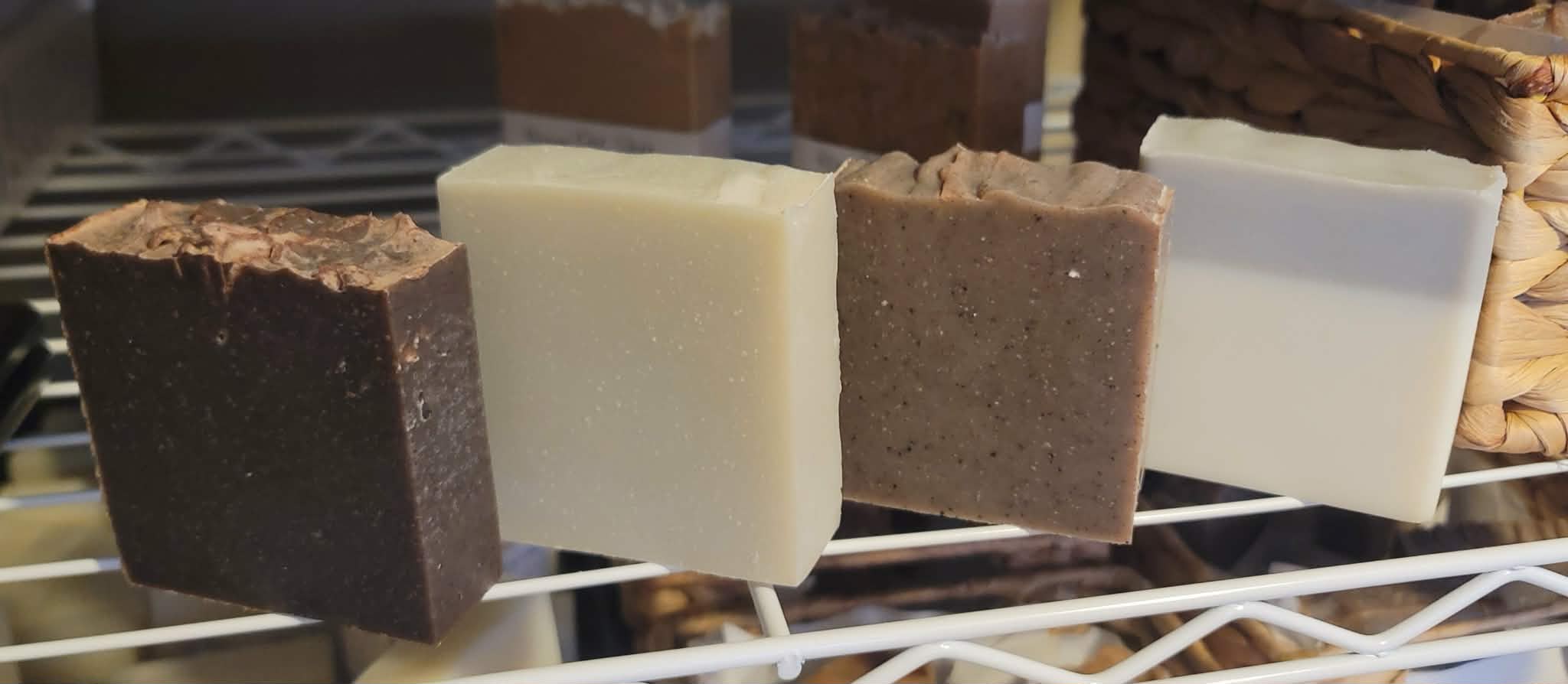
Our Plant Based Soap Ingredients
No Harsh Chemicals • Natural Goodness • Sustainable Ingredients
Plant based soap. No bull. A better way to soap.
*Legal Disclaimer: We do soap. Legally, we can’t make any claims as to what our soap does besides clean. However, we asked AI about each of our plant based soap ingredients, and below are the answers we received.

Oils: Olive, Coconut, Hemp Seed, and Castor
Olive Oil
Olive oil is good in soap because it’s deeply moisturizing, gentle, and rich in antioxidants. It contains fatty acids like oleic acid that hydrate the skin, and antioxidants that protect against damage. Suitable for sensitive, dry, or mature skin and creates a long-lasting, mild bar of soap. Used at up to 100%, olive oil is one of the best plant based soap ingredients. See our Olive Castile bar here.
Benefits of olive oil in soap
Moisturizing: Olive oil is an emollient packed with fatty acids, which helps the skin retain moisture and feel soft and supple after washing.
Non-stripping: It cleans without stripping the skin of its natural, protective oils, helping to maintain the skin’s natural barrier and lipid layer.
Gentle and hypoallergenic: Its mild properties make it an excellent choice for all skin types, including sensitive, dry, and eczema-prone skin, as well as for babies. It is less likely to cause allergic reactions compared to commercial soaps.
Antioxidant-rich: Olive oil contains antioxidants that can help protect the skin from environmental damage and free radicals, contributing to healthier-looking skin.
Long-lasting bar: When used in soap making, olive oil helps create a solid, slow-melting bar of soap that can last a long time.
Improves skin elasticity: The antioxidants in olive oil can also help improve skin elasticity and reduce the appearance of fine lines and wrinkles.
Coconut Oil
Coconut oil is good in plant based soap. It creates a rich lather, cleanses effectively, and makes a hard, long-lasting bar. Its high fatty acid content provides moisturizing, antibacterial, and antifungal properties that help keep skin soft and healthy. It is also a versatile and sustainable ingredient, often used as a primary oil or in combination with others.
Cleansing and lathering
Cleansing: Coconut oil’s high content of lauric and myristic fatty acids makes it an excellent cleanser, effectively removing dirt and impurities from the skin.
Rich lather: It produces a large, fluffy, and creamy lather that many people find luxurious.
Moisturizing and skin-healing properties
Moisturizing: Despite being a strong cleanser, coconut oil helps to hydrate the skin, leaving it soft and supple.
Antimicrobial benefits: It has natural antibacterial, antifungal, and anti-inflammatory properties that help fight off germs and can benefit conditions like acne.
Hardness and stability
Hard bars: Coconut oil helps create a hard bar of soap that is less likely to become mushy or dissolve quickly, which contributes to a longer-lasting product.
Versatility: It can be used as the main oil in a soap recipe or balanced with other oils to achieve specific results, making it very versatile for different types of soap.
Sustainability
Renewable resource: Coconut oil is derived from a renewable resource, making it a more environmentally friendly choice compared to some other oils.
Hemp Seed Oil
Hemp seed oil is good in soap because it is rich in fatty acids, vitamins, and antioxidants that moisturize, balance, and soothe the skin. It hydrates without clogging pores, making it suitable for all skin types, and its anti-inflammatory properties can help with conditions like eczema and acne.
Key benefits of hemp seed oil in soap:
Moisturizing: Hemp seed oil is rich in omega-3 and omega-6 fatty acids, which hydrate the skin without leaving a greasy residue.
Skin-balancing: It helps regulate the skin’s natural oil production, which can be beneficial for both oily and dry skin types.
Anti-inflammatory: The oil has anti-inflammatory properties that can soothe irritated or sensitive skin, reducing redness and discomfort.
Rich in nutrients: It is a good source of vitamins A, C, D, and E, as well as minerals, which support skin health, repair, and moisture retention.
Anti-aging: The antioxidants in hemp seed oil can help protect skin from free radical damage, which can reduce the appearance of fine lines and wrinkles.
Gentle for all skin types: Because it is non-comedogenic (unlikely to clog pores) and balances oil production, it is a good option for acne-prone and oily skin, as well as dry and sensitive skin.
Castor Oil
Castor oil is highly valued in soap making. It enhances both the soap’s performance and its skin-care benefits. Its unique fatty acid profile contributes to a luxurious, creamy, and stable lather, while also providing excellent moisturizing, anti-inflammatory, and antimicrobial properties.
Key Benefits of Castor Oil in Soap:
Rich, Stable Lather: Castor oil acts as a lather booster, helping to create a dense, stable, and fluffy foam that many users find luxurious and satisfying.
Humectant Properties: It functions as a natural humectant, similar to glycerin. This means it draws moisture from the air to the skin, helping to keep the skin hydrated long after washing and preventing the dryness often associated with commercial soaps.
Deep Moisturization: The rich fatty acids in castor oil deeply nourish the skin, leaving it feeling soft and smooth. This is particularly beneficial for individuals with dry or sensitive skin.
Anti-inflammatory and Antimicrobial Effects: Castor oil contains ricinoleic acid, which has natural anti-inflammatory and antimicrobial properties. This can help to soothe irritated skin conditions like eczema or psoriasis and combat acne-causing bacteria, promoting overall skin health.
Enhanced Texture and Longevity: The thick, viscous texture of castor oil improves the consistency of the soap batter during the crafting process and contributes to a harder, longer-lasting soap bar once cured.
Skin Elasticity: The fatty acids and antioxidants in castor oil help to improve skin elasticity, which can reduce the appearance of fine lines and contribute to a more youthful look.
In summary, incorporating castor oil into a plant based soap elevates a simple soap into a more conditioning, effective, and pleasant-to-use product that is gentle on the skin.
Butters: Shea
Shea Butter
Shea butter is good in soap because it deeply moisturizes, nourishes, and protects the skin due to its fatty acids, vitamins, and antioxidants. It creates a creamy, conditioning lather that leaves skin feeling soft and supple, while its emollient properties help create a protective barrier to lock in moisture, making it gentle and effective for dry or sensitive skin.
Benefits for skin health
Intense moisturization: Shea butter is rich in fatty acids that deeply hydrate the skin and create a protective barrier to prevent moisture loss.
Nourishes with vitamins: It is packed with vitamins A and E, which nourish the skin, promote collagen production, and protect against free radical damage.
Gentle and non-comedogenic: Shea butter moisturizes without clogging pores and is suitable for sensitive skin and even babies.
Soothes skin: Its anti-inflammatory properties can help calm irritated skin, soothe conditions like eczema, and protect against sun damage.
Improves texture: It can help improve skin elasticity and reduce the appearance of fine lines and wrinkles.
Benefits for soap making
Creates a hard bar: The oleic and stearic acids in shea butter help create a long-lasting, firm bar of soap, keeping it a plant based soap.
Produces a creamy lather: It contributes to a rich and creamy lather rather than a sudsy one, providing a more luxurious feel.
Stabilizes the bar: It helps stabilize the soap bar, particularly when not using other fats like palm oil.
Other Ingredients: Alfalfa, Turmeric
Alfalfa
Alfalfa is good in soap. It provides nutritional benefits like vitamins and antioxidants to the skin, while also acting as a natural colorant for a soft green hue. It is rich in vitamins A, C, D, E, and K, which can help nourish, hydrate, and protect the skin, improve its texture, and reduce the appearance of blemishes, fine lines, and dark spots.
Skincare benefits
Nourishing and hydrating: Alfalfa contains vitamins, amino acids, and enzymes that help nourish and hydrate the skin.
Antioxidant properties: The vitamins C and E in alfalfa help fight free radicals, which can damage skin cells and lead to premature aging.
Skin-smoothing: Its properties can help improve skin texture and give it a healthy glow.
Detoxifying: It helps draw out impurities from the skin and clear pores.
Brightening and anti-aging: Vitamins like K and A can help reduce dark spots and the appearance of fine lines and wrinkles.
Turmeric
As far as plant based soap ingredients go, turmeric is a popular skincare product that claims to offer several benefits. Here are some potential benefits:
Anti-inflammatory Properties: Turmeric contains curcumin, a powerful anti-inflammatory compound. This can help reduce redness, swelling, and irritation on the skin.
Antioxidant Properties: Turmeric is rich in antioxidants, which protect the skin from free radical damage. This can help slow down the aging process and reduce the appearance of fine lines and wrinkles.
Antimicrobial Properties: Turmeric has antimicrobial properties that can help fight acne-causing bacteria. This may improve skin clarity and reduce blemishes.
Exfoliating Properties: Turmeric soap can gently exfoliate the skin, removing dead skin cells and unclogging pores. This can lead to smoother, brighter skin.
Brightening Effects: Some people claim that turmeric soap can help brighten the skin tone and reduce dark spots. However, scientific evidence to support this claim is limited.
Other Potential Benefits: May improve skin elasticity, may promote wound healing, and may reduce psoriasis symptoms.
Note: It’s important to note that the effectiveness of turmeric soap may vary depending on the ingredients used and the individual’s skin type. Some people may experience skin irritation or allergic reactions. It’s always recommended to consult a dermatologist before using any new skincare product, especially if you have sensitive skin or any underlying skin conditions.